
Global market success demands sophisticated localization beyond simple translation. Expert translators ensure accuracy, cultural sensitivity, and alignment with local preferences. Bilingualism apps enhance skills. Localization considers customs, legal requirements, and historical contexts. High-quality translations build consumer connections, improve brand perception, and support global expansion. AI-driven tools revolutionize efficiency and precision in translation services, enhancing business-audience connections worldwide.
In today’s interconnected global market, understanding the significance of localization is paramount for businesses aiming to thrive internationally. Localization goes beyond mere translation; it involves adapting products, services, and content to resonate with specific regional cultures, languages, and markets. Failure to localize can lead to miscommunication, mistranslations, and ultimately, missed opportunities or even reputational damage. This article delves into the intricate world of localization, exploring its critical role in breaking down language barriers, fostering meaningful connections with diverse audiences, and ensuring sustained success in global markets.
- Understanding Global Markets: The Basics of Localization
- Translation's Role: Bridging Cultural Gaps
- Localizing Content: Strategies for Different Regions
- Language Barriers: Impacts on Business Success
- Technical Challenges: Software and Website Localization
- Future Trends: AI in Global Market Localization
Understanding Global Markets: The Basics of Localization

Understanding global markets requires a nuanced approach, with localization playing a pivotal role. Localization involves adapting products, services, and content to specific regional, cultural, and linguistic contexts—it’s not just about translation. Accurate translations are essential, but they’re only the first step. Bilingualism and language learning apps for intermediate skills can greatly enhance a translator’s ability to convey meaning effectively while respecting local nuances.
Consider this: A study by the Localization Industry Association (LIA) revealed that 90% of global consumers prefer content in their native languages, underscoring the importance of localization in today’s interconnected world. For instance, a website translated into French for a French audience might not resonate with a German one. Localizing involves more than words; it encompasses metrics, dates, and even design elements to ensure complete cultural relevance.
Expert translators must also incorporate accuracy checks at every stage of the process. This includes fact-checking, cultural sensitivity, and ensuring that the translated content aligns perfectly with its original intent. For beginner translators looking to excel in this field, exploring contemporary practices and learning from seasoned professionals is invaluable. Embracing bilingualism and leveraging language learning apps can significantly improve skills, enabling translators to deliver high-quality, culturally sensitive work across diverse global markets.
As you navigate these complex waters, remember that localization is not a one-size-fits-all endeavor. What works in one market might not be suitable for another. Therefore, staying informed about local customs, preferences, and legal requirements is crucial. Find us at contemporary practices beginner translator resources to gain insights into this dynamic field, ensuring your translations resonate deeply with each unique global audience.
Translation's Role: Bridging Cultural Gaps

Translation plays a pivotal role in bridging cultural gaps and ensuring successful localization within global markets. In today’s interconnected world, businesses seeking to expand internationally must recognize that language is more than just words on a page; it encapsulates cultural nuances, local customs knowledge, and subtle context that can make or break market entry. A simple translation of text may not always convey the intended meaning, leading to potential misunderstandings or even offensive mistakes. For instance, a phrase that seems harmless in one culture might carry negative connotations in another, highlighting the intricate dance of language and culture.
Expert translators, armed with a deep understanding of both the source and target languages, step into this cultural crucible. They don’t merely replace words; they navigate the labyrinthine pathways of idiomatic expressions, proverbs, and metaphorical language, ensuring that the essence of the original message is preserved. This human touch is invaluable when it comes to sensitive topics like marketing campaigns or customer service communications. For example, adapting a global brand’s messaging to resonate with local audiences requires not just accurate translation but also an appreciation for regional preferences, values, and even humor.
Beyond ensuring cultural sensitivity, professional translation provides a window into the target market’s language landscape. It allows businesses to connect with their audience on a deeper level, fostering understanding and building trust. By partnering with qualified translators who possess local customs knowledge, companies can avoid potential pitfalls and create compelling content that truly resonates with global consumers. This strategic approach not only enhances brand perception but also paves the way for real-world applications, making localization a powerful tool in the global business arena. Find us at accredited programs offering such specialized training for those looking to master this art in real-world settings.
Localizing Content: Strategies for Different Regions
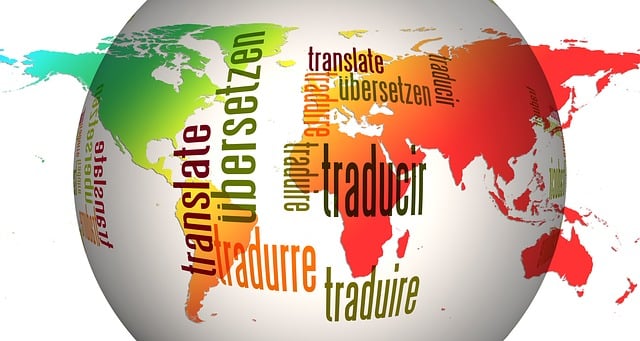
Localization is a strategic process that transforms products and services for global markets, ensuring cultural relevance and enhanced user experiences. When entering new regional territories, simply adapting translations isn’t enough; it requires a deep understanding of local nuances and historical contexts. From language variations to cultural idioms, each region presents unique challenges. For instance, translating specialized jargon accurately is crucial in industries like healthcare or technology, where technical terms can carry distinct meanings across languages.
A successful localization strategy involves several key components. First, building a robust term base management system allows for consistent translation of core vocabulary, maintaining brand consistency worldwide. This includes defining style guides and glossaries to ensure the same concepts are rendered identically across all languages. For example, a company must consider regional variations in date and number formats, as well as local preferences for currency symbols, to avoid misunderstandings. Furthermore, employing native language experts who understand both the source and target cultures is vital for capturing subtle nuances and creating culturally appropriate content.
Historical perspectives play a significant role in localization. Different regions have distinct linguistic evolutions, and understanding these historical influences aids in producing more precise translations. For instance, French has evolved from Latin, influencing many modern European languages, while English borrows heavily from Germanic roots, requiring careful consideration during the translation process. Brand consistency is another critical aspect; companies must ensure their global messaging aligns with local preferences while maintaining a cohesive identity. A well-executed localization strategy not only enhances user engagement but also paves the way for long-term market success, giving businesses a competitive edge in today’s interconnected world. For expert guidance and personalized solutions, give us a call to transform your global reach.
Language Barriers: Impacts on Business Success
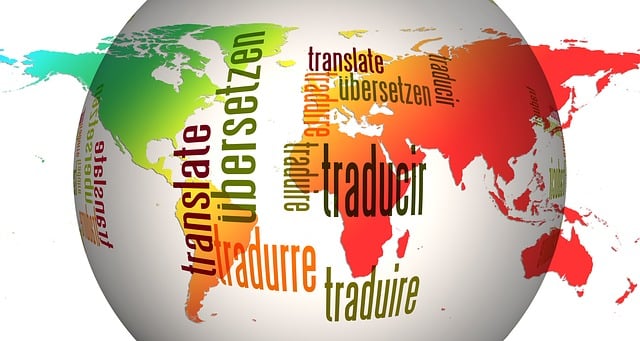
Language barriers pose significant challenges for businesses expanding into global markets. Beyond basic communication, these barriers can hinder understanding of cultural nuances, legal requirements, and product-service fit in diverse regions. For instance, a literal translation of marketing materials may offend or confuse foreign audiences, leading to missed opportunities or even reputational damage.
Accurate translation is more than just word-for-word rendering; it demands conceptual accuracy tailored to the target culture’s context. Professional translators who grasp both source and target languages and cultures are essential for ensuring messages are not only understood but also resonate effectively. Legal documentation, in particular, requires meticulous handling due to the high stakes involved, necessitating linguists with expertise in legal terminology and cultural subtleties.
Translation memory (TM) software can significantly enhance efficiency while preserving consistency across multiple translation projects. TM databases store previously translated segments, enabling translators to reuse accurate, contextually fitting phrasing. This not only saves time but also ensures a unified brand voice across all languages. For example, a global consumer goods company utilizing TM can maintain consistent messaging around product benefits and safety information in diverse languages, fostering trust with international consumers.
Navigating language barriers requires a strategic approach that combines high-quality translation services with the use of innovative tools. By prioritizing conceptual accuracy, leveraging TM for consistency, and partnering with experienced linguists who understand cultural context, businesses can overcome linguistic hurdles and achieve meaningful success in global markets. Visit us at Human Touch anytime to learn more about how our expert team can help you transcend language barriers naturally.
Technical Challenges: Software and Website Localization

Localization is a multifaceted process that goes beyond mere translation when entering global markets. Technical challenges, particularly in software and website localization, demand meticulous attention to detail. The goal is not just to render text but to ensure conceptual accuracy across languages while maintaining functionality and user experience. For instance, adapting a website for the Chinese market involves more than translating content; it includes understanding cultural nuances, localizing payment gateways, and ensuring compatibility with Great China’s unique internet infrastructure.
Peer review plays a pivotal role in this process, especially for legal documentation, where accuracy is non-negotiable. A comprehensive localization strategy incorporates multiple rounds of review by native speakers who are also subject matter experts. This rigorous process guarantees not just grammatical correctness but also natural flow and cultural appropriateness. Moreover, it helps identify potential pitfalls that might arise from literal translations, ensuring the localized product resonates with its target audience.
Data supports the critical need for localization: a 2021 report by LocalizeHub revealed that 86% of global consumers prefer brands that communicate in their native language. Ignoring localization can lead to costly mistakes and missed opportunities. For businesses aiming to expand globally, investing in high-quality translation services is paramount. By prioritizing conceptual accuracy and employing expert peer review, companies can avoid cultural gaffes and create localized products that not only meet but exceed user expectations. To harness the full potential of global markets, give us a call at Language Diversity Translation Project Management; we’re here to guide you through every step of the localization journey.
Future Trends: AI in Global Market Localization

The future of global market localization is poised to be transformed by Artificial Intelligence (AI), revolutionizing how businesses connect with diverse audiences worldwide. As markets become increasingly interconnected, accurate and nuanced translation has never been more critical. AI-powered tools offer a new frontier in language services, promising efficiency, precision, and adaptability. These technologies are not just a trend but an emerging necessity for companies aiming to thrive internationally.
At the forefront of this evolution is the integration of advanced machine translation (MT) systems that can deliver high-quality, contextually appropriate translations. Unlike traditional methods, AI approaches learn from vast amounts of data, enabling them to understand and render complex linguistic nuances. This breakthrough is particularly significant for literary translation, where capturing the essence of a text while adhering to cultural subtleties is paramount. For instance, translating idiomatic expressions or poetic devices requires not just word-for-word substitution but a deep understanding of the source culture—a challenge AI models are increasingly capable of addressing through accredited programs and real-world applications.
One notable application is in legal documentation, where accuracy and precision are paramount. AI can streamline the process of localizing contracts, regulatory filings, and other sensitive materials, ensuring compliance across global markets. This not only reduces turnaround times but also minimizes the risk of human error, a critical factor in industries with high-stakes translation requirements. As AI continues to advance, businesses should embrace these tools as a means to enhance their localization strategies, providing a competitive edge in an increasingly digital and interconnected world.
Localization is a critical component of successful global market penetration, as it goes beyond translation to encompass cultural nuances and regional preferences. Understanding the diverse needs of each market segment is essential for businesses aiming to thrive internationally. By employing strategic localization techniques, companies can overcome language barriers and foster stronger connections with their target audiences. The article highlights the pivotal role of translation in bridging cultural gaps, emphasizing that accurate and culturally sensitive content delivery is paramount. Moreover, it explores technical challenges related to software and website localization, underscoring the need for advanced tools and expertise. Looking ahead, artificial intelligence emerges as a game-changer, promising enhanced efficiency and precision in global market localization. In summary, localization is not merely an addition but a foundational strategy that enables businesses to navigate the intricate landscape of global markets effectively.