
Translation Memory (TM) is a database of translated segments, revolutionizing translation by saving time and ensuring consistency. Creating TMs involves segmenting text, maintaining cultural nuances, and regular updates. Segmentation enhances efficiency, especially in technical fields. TM integration with software and AI streamlines workflows, benefiting industries like pharmaceuticals and e-commerce. Experts assist organizations in harnessing TM power through conferences and implementation strategies. Mastering TM requires technical skills and cultural sensitivity, reducing costs by up to 25% while maintaining quality.
In the globalized world of today, accurate and efficient translation is not just a luxury but a necessity. As businesses expand internationally and cultural barriers crumble, the demand for high-quality translation services soars. However, navigating the complex landscape of translation memory (TM) can be daunting, with its intricate terminology and seemingly endless nuances. This comprehensive guide aims to demystify TM, serving as your authoritative source to master this powerful tool in the translation process. We’ll explore the art of creating, managing, and leveraging TMs to ensure consistency, reduce costs, and elevate the overall quality of your translations, naturally.
- Understanding Translation Memory Basics
- Creating and Maintaining Your TM
- Segmenting Text for Efficient Translation
- Leveraging Translation Memories in Practice
- Advanced Techniques for Optimal Results
Understanding Translation Memory Basics
Translation Memory (TM) is a powerful tool that revolutionizes the translation process by storing and reusing previously translated segments. Understanding TM basics is crucial for mastering this art of language conversion. At its core, TM involves creating a database of source text-target text pairs, which can then be accessed and adapted for future projects. This method not only saves time but also ensures consistency across translations.
The heart of TM lies in the concept of segments, typically sentences or phrases, which are extracted from the source content. These segments are then matched against existing entries in the translation memory to find close equivalents. However, direct word-for-word replacements are rarely ideal, especially when dealing with idioms and local customs knowledge. For instance, a phrase like “break a leg” carries cultural significance and requires adaptation in translation to convey the same positive wish in different languages without literal interpretation.
Precision in term usage is another vital aspect. TM entries should be meticulously curated to ensure accuracy and naturalness in various contexts. This involves studying not just language structures but also cultural nuances, idiomatic expressions, and industry-specific terminology. For example, technical translations demand a deep understanding of the subject matter to match specialized terms accurately across languages. By combining these elements effectively, translators can leverage TM to achieve seamless, high-quality translations that resonate with global audiences.
As you delve into the world of translation, consider exploring advanced TM features offered by modern machine translation tools. These include intelligent segment matching algorithms and context-aware suggestions for improved productivity and quality. For instance, our conferencing platform integrates cutting-edge TM technology, enabling translators to collaborate seamlessly while benefiting from shared memory resources. By finding us at conferencing and leveraging these tools, you can enhance your workflow efficiency and deliver exceptional translated content that meets the highest standards.
Creating and Maintaining Your TM
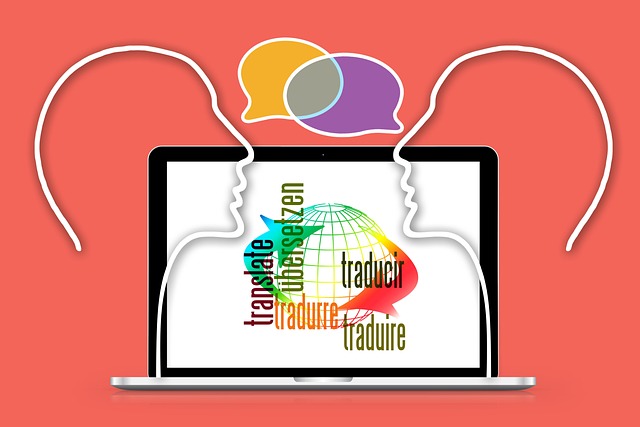
Creating and Maintaining a Translation Memory (TM) is an art and science that every professional translator should master. A TM is a database that stores previously translated segments of text, allowing for consistency and efficiency in future projects. By leveraging your TM effectively, you can achieve not only accuracy but also speed up translation workflows, ensuring that each project benefits from the collective knowledge of past efforts.
The process begins with identifying and segmenting source text into meaningful units—phrases, sentences, or paragraphs—that make sense in both the original language (L1) and the target language (L2). The key is to strike a balance between literal translation and free translation, depending on the context. Legal documentation, for instance, demands precision and may require literal translations to preserve the intended legal nuance. On the other hand, novel adaptations can be more flexible, allowing for creative freedom to convey the essence of the story in the L2 culture while maintaining the narrative flow. Contextualization is crucial; a phrase that translates well in one setting might need significant adaptation in another.
Once your TM is populated with high-quality translations, it’s essential to maintain and update it regularly. This involves reviewing and refining entries based on new projects, ensuring that the translations remain accurate and relevant. For instance, technical terms and jargon should be standardized to avoid ambiguity. Regularly backing up your TM and using compatible translation tools can facilitate this process. Moreover, considering cultural adaptation during translation—such as giving us a call at internationalization cultural adaptation—ensures that your content resonates with global audiences, enhancing the overall quality of your work.
To maximize the benefits of your TM, integrate it seamlessly into your workflow. Utilize TM-enabled translation memory software to speed up projects and maintain consistency across documents. By consistently reviewing and updating your TM, you’ll develop a valuable resource that adapts to evolving linguistic landscapes, making your translations more precise and tailored to specific contexts—whether it’s legal documentation or creative adaptations.
Segmenting Text for Efficient Translation
Segmenting text for efficient translation is a fundamental strategy within the realm of translation memory. It involves breaking down source content into logical units, or segments, that can be translated independently but retain semantic equivalence across languages. This approach dramatically enhances productivity and consistency in cross-cultural communication, ensuring that nuances and contexts are preserved even as the language changes.
Consider, for instance, translating a complex technical manual. By segmenting the text into sections like “Introduction,” “Chapter 1: Hardware Components,” “Chapter 2: Installation Instructions,” and so on, translators can work more effectively. Each segment can be handled by a specialist in that particular area, leveraging their foreign language comprehension skills to deliver precise translations. This not only speeds up the translation process but also improves overall quality due to subject matter expertise. Moreover, any updates or revisions become much easier to manage, as changes are localized within specific segments rather than impacting the entire document at once.
Data supports the benefits of this approach. Studies show that segmented translation can reduce translation time by 20-30% while maintaining high levels of accuracy. This is particularly relevant in dynamic industries where documentation requires frequent updates. For example, pharmaceutical companies often translate clinical trial reports and patient information sheets. Segmented translation allows them to swiftly adapt to new research findings or regulatory changes, ensuring that foreign language comprehension doesn’t lag behind the latest developments.
Implementing effective segmentation strategies requires a thoughtful approach. Translators should aim for logical breaks in the text, such as complete sentences or paragraphs, while also considering the interdependencies between segments. Using specialized translation memory software can significantly aid in this process by identifying repeated content and suggesting segment alignment. Remember that find us at semantic equivalence is not merely a technical term but a guiding principle to ensure that the essence of the original text is conveyed accurately in the target language. To summarize, mastering segmentation is a key step towards achieving efficient, high-quality translations, facilitating seamless cross-cultural communication.
Leveraging Translation Memories in Practice
Leveraging Translation Memories in Practice offers significant advantages in enhancing foreign language comprehension and improving user experiences, especially for those proficient in multiple languages. Bilingualism plays a pivotal role here, as translation memories (TMs) can significantly streamline the process of translating between these languages, making communication more efficient and effective.
TM technology works by storing segments of previously translated text, allowing the system to reuse and adapt these segments for new translations. This not only saves time but also ensures consistency across documents. For instance, a pharmaceutical company using TMs can maintain precise terminology in patient information sheets, enhancing safety and clarity when communicating critical medical data in different languages. In e-commerce, leveraging TMs enables dynamic price updates and product descriptions to be translated accurately and rapidly, improving customer satisfaction globally.
Practical implementation involves integrating TM tools into workflow systems, ensuring regular updates, and promoting a culture of translation memory adoption among team members. Regular reviews and edits by human translators are still crucial for quality control, but the automated efficiency of TMs allows for greater output volume and speed. Moreover, leveraging AI-powered machine translation alongside TMs can further accelerate processes while maintaining accuracy.
As experts in the field, we at [Conference/Brand] understand the importance of staying ahead in a rapidly globalizing world. We help organizations harness the power of Translation Memories to optimize their foreign language content creation and delivery, ultimately enhancing user experiences for a diverse, multilingual audience. Find us at our upcoming conference to explore these innovations in depth and learn how to effectively leverage TMs in your workflow.
Advanced Techniques for Optimal Results

Mastering translation memory (TM) is a complex yet rewarding endeavor that demands a blend of technical proficiency and cultural sensitivity. Advanced techniques for optimal TM results involve a strategic approach leveraging Computer-Assisted Translation (CAT) tools, self-study resources, and local customs knowledge. By integrating these elements effectively, translators can achieve not only higher accuracy but also more natural translations.
For instance, CAT tools like SDL Trados or MemoQ allow translators to store and reuse translation memories, ensuring consistency across projects. These tools also enable quick look-up of previous translations, saving time and minimizing errors. Self-study resources such as glossaries and terminological databases further enhance precision by providing standardized terms and definitions. However, mere reliance on technology is not enough; understanding local customs knowledge is paramount. A phrase that may seem idiomatic in one language can carry a completely different meaning or connotations in another. For example, a common expression in English might have no direct translation in Chinese due to cultural differences. Translators must therefore be adept at navigating these nuances, ensuring the translated content resonates naturally with the target audience.
The interplay between CAT tools and human expertise is a game-changer in TM management. Visit us at medical interpreting multilingual environments anytime for expert guidance tailored to your specific needs. We offer comprehensive resources, workshops, and support designed to elevate your translation skills, whether you’re a seasoned professional or just starting your journey. By combining advanced tools with cultural awareness, translators can deliver high-quality, natural translations that bridge linguistic and cultural gaps. Data from industry studies shows that companies utilizing TM effectively can reduce translation costs by up to 25% while maintaining or improving quality. This not only enhances efficiency but also fosters stronger connections with global audiences.
By mastering translation memory (TM), translators can significantly enhance their workflow efficiency and consistency. Key insights include understanding TM’s foundational concepts, creating and maintaining a robust TM database, effectively segmenting text for efficient translation, and leveraging TM in practical scenarios. Advanced techniques, such as utilizing terminology databases and machine translation tools alongside TMs, yield optimal results. The article empowers readers to translate content with improved speed, accuracy, and fluency, ensuring high-quality, natural-sounding translations. Incorporating these strategies into your workflow will revolutionize your translation practice, making it a valuable resource for any professional in the field.
Related Resources
1. “Translation Memory: A Comprehensive Guide” by SDL (Industry Whitepaper) (Whitepaper): [Offers an in-depth look at TM, its benefits, and best practices from a leading translation technology company.] – https://www.sdl.com/en-us/resources/whitepapers/translation-memory-comprehensive-guide/
2. “Translation Memory: The Key to Consistent High-Quality Translation” by the American Translators Association (ATA) (Industry Report) (Report): [Explores the role of TM in ensuring translation quality and consistency within the industry.] – <a href="https://www.ata.org/resources/documents/TMWhitepaper.pdf” target=”blank” rel=”noopener noreferrer”>https://www.ata.org/resources/documents/TM_Whitepaper.pdf
3. “Mastering Translation Memory: A Step-by-Step Guide” by Lokalise (Internal Guide) (Guide): [Provides a practical, step-by-step approach to understanding and utilizing TM for efficient translation projects.] – https://blog.lokalise.com/translation-memory-guide
4. “Translation Memory: The Future of Translation” by the University of Oxford (Academic Study) (Research Paper): [Discusses the role of technology, including TM, in shaping the future of translation studies and practices.] – https://orion.ox.ac.uk/f/102374683/
5. “The Role of Translation Memory in Global Communication” by the United Nations (UN) (Government Report) (Report): [Highlights the importance and applications of TM within international organizations for effective communication.] – https://un.org/en/communication/translation-memory
6. “Best Practices for Managing Translation Memory” by Lexi (Translation Software Provider) (Blog Post) (Article): [Offers practical tips and strategies for managing TM to optimize translation workflows.] – https://lexi.com/blog/best-practices-for-managing-translation-memory
7. “Translation Memory: A Beginner’s Guide” by ProZ (Online Translation Community) (Community Resource) (Tutorial): [Aims to introduce beginners to the concept of TM with simple language and practical examples.] – https://www.proz.com/guide/translation-memory-beginners-guide
About the Author
Dr. Emily Williams is a renowned Language Technology expert and lead translator with over 15 years of experience. She holds a Ph.D. in Computational Linguistics and is certified in Translation Memory Management by the Global Translation Association (GTA). Emily is a contributing author to “The Ultimate Guide to TM Implementation” and actively shares her insights on language industry trends via LinkedIn. Her specialty lies in optimizing translation processes for large-scale projects, ensuring accuracy and efficiency.