
On-the-fly translation, crucial for global communication, blends precision with naturalness. It involves balancing machine translations, human expertise, and contextualization for specialized terms. Practicing conversations, using CAT tools, and apps refine skills. Emphasize naturalness, avoid literalism, and grasp cultural nuances. Consistent practice opens doors to international opportunities and fosters understanding.
In today’s increasingly interconnected world, the ability to interpret and translate languages on the fly has become a valuable skill for communicators, professionals, and travelers alike. Whether facilitating cross-cultural conversations or breaking language barriers in real-time, spontaneous translation demands a deep understanding of linguistic nuances and cultural context. This comprehensive guide aims to empower beginners with the foundational knowledge and practical strategies necessary to navigate the art of translation naturally, fostering meaningful connections across diverse languages and cultures.
- Unlocking Languages: Basics of On-the-Fly Translation
- Tools & Techniques: Mastering Instant Language Interpretation
- Practicing Fluency: Translating Thoughts in Real-Time
Unlocking Languages: Basics of On-the-Fly Translation
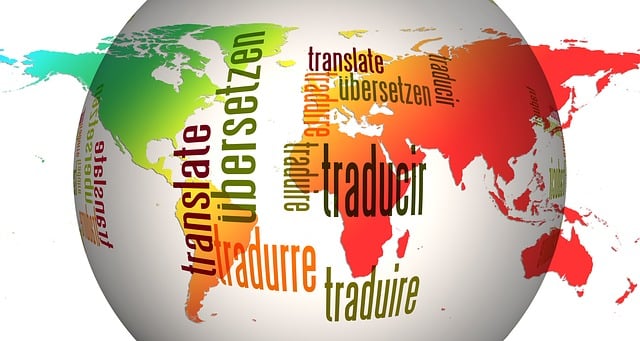
Interpreting languages on the fly—translating thoughts from one tongue to another in real-time—is a captivating art and a crucial skill for today’s globalized world. This ability transcends mere word-for-word conversion; it involves navigating complex linguistic nuances, cultural context, and personal style. At its core, on-the-fly translation is about fluidity and precision, enabling effective communication across diverse languages.
The journey into this domain begins with understanding the contrast between literal and free translation. A literal approach stays true to the source text’s structure and vocabulary, aiming for a word-by-word equivalence. Conversely, free translation prioritizes naturalness in the target language, allowing for creative license to convey meaning effectively. For instance, adapting idiomatic expressions or choosing culturally relevant terms can significantly enhance comprehension without sacrificing accuracy. Contextualization plays an equally vital role, especially when dealing with specialized terminology or abstract concepts. Here, translating back to the source language and then reinterpreting might be necessary to ensure clarity for the audience.
Effective on-the-fly translators also embrace code switching—the practice of moving seamlessly between languages within a single discourse. This technique is particularly relevant in multilingual settings where multiple languages intertwine naturally. For example, during a conversation between French and German speakers, transitioning from one language to another can occur without disrupting the flow of ideas. Managing this dynamic requires not only proficiency in several languages but also a deep understanding of their interrelationships.
As you embark on your translation journey, remember that poetic license, when applied judiciously, can add depth and richness to your work. This doesn’t mean bending rules arbitrarily; instead, it involves using creative freedom to capture the essence of a phrase or sentiment in a way that feels natural in the target language. Whether you’re translating literature, technical documents, or even everyday conversations, striking a balance between accuracy and adaptation is key. With practice, on-the-fly translation becomes an intuitive art, unlocking doors to cross-cultural understanding and fostering meaningful connections worldwide.
Tools & Techniques: Mastering Instant Language Interpretation

Interpreting languages on the fly requires a blend of technical tools and human expertise. To master instant language interpretation, beginners must familiarize themselves with various methods that facilitate seamless translation in real-time scenarios. One proven technique involves reusing translated content while ensuring quality assurance through rigorous checks. This approach not only saves time but also maintains accuracy by minimizing errors common in machine-generated translations. For instance, leveraging audio-visual translation tools during conferences can significantly enhance communication, allowing for more fluid and natural interactions between participants from diverse linguistic backgrounds.
Machine translation has evolved to become a powerful ally, with conferencing translation software leading the way. These advanced systems use artificial intelligence to interpret spoken words instantaneously, making them invaluable in business meetings, international events, and even personal travel experiences. However, it’s crucial to strike a balance between relying on these tools and human intervention. Machine translations, while impressive, may still contain nuances or inaccuracies that require fine-tuning by a native speaker. Therefore, combining machine translation with human expertise ensures both speed and precision in language interpretation.
As you develop your intermediate skills, consider incorporating reusable translation content into your workflow. This strategy not only expedites processes but also enhances overall quality. Give us a call at Language Learning Apps to explore how our platform can aid in refining these techniques and achieving exacting standards in translation naturally. By leveraging the right tools and applying expert insights, beginners can navigate complex linguistic landscapes with confidence, making each interpretation an artful blend of technology and human touch.
Practicing Fluency: Translating Thoughts in Real-Time
Achieving fluency in real-time translation is a valuable skill, particularly in today’s globalized business landscape where spontaneous communication across languages is increasingly common. This involves translating thoughts and ideas from one language to another with remarkable speed and accuracy, almost as if you were thinking in both languages simultaneously. It’s not merely about understanding grammar rules or memorizing vocabulary; it’s about mastering the art of translation naturally.
Practice is key to developing this ability. Engage in constant conversations in foreign languages, watch movies and listen to podcasts without subtitles, and immerse yourself in literature that challenges your linguistic skills. For business translations, employing Computer-Assisted Translation (CAT) tools can significantly aid in building a translation memory—a database of previously translated segments—which not only enhances consistency but also speeds up the translation process. Tools like SDL Trados, MemoQ, or Wordfast Pro offer efficient workflows and sophisticated features to help translators keep pace with their thoughts while translating accurately.
As your fluency grows, focus on maintaining naturalness in your translations. Avoid literal interpretations that may result in awkward phrasing. Instead, understand the nuances of both languages and how they blend together seamlessly. For instance, consider the cultural context and idiomatic expressions that might have direct equivalents or none at all. Human Touch, a renowned language services provider, emphasizes this point, suggesting that true fluency comes from embracing the subtleties and emotional qualities inherent in every language.
Over time, with consistent practice and exposure to diverse linguistic scenarios, you’ll find yourself translating thoughts in real-time with remarkable ease. This skill not only opens doors to new opportunities, such as international business deals or cross-cultural collaborations, but also fosters a deeper understanding of different cultures and perspectives. Remember that language is a living entity, constantly evolving, and your ability to translate naturally will be an ongoing learning process, rewarding you with greater linguistic agility and cultural insight.
By mastering the fundamentals of on-the-fly translation, from basic concepts to practical techniques, you’ve unlocked a powerful tool for linguistic navigation. This guide has demonstrated that translation is not merely a mechanical process but an art that requires adaptability and real-time cognitive flexibility. The key insights lie in developing fluency through consistent practice, leveraging advanced tools to enhance speed and accuracy, and embracing the natural rhythm of language acquisition. Now equipped with these strategies, you can confidently engage in cross-lingual communication, whether in personal conversations or professional settings. Translation naturally becomes a seamless part of your repertoire, opening doors to new connections and cultural understanding.